Residential community rendering helps bring future developments to life before construction begins.
With realistic 3D visuals, developers, architects, and real estate professionals can present homes, townhouses, streetscapes, landscaping, and shared spaces in a clear and engaging way. This helps buyers and investors understand not only the design of the buildings, but also the overall lifestyle and atmosphere of the community.
Compared to drawings or descriptions, photorealistic renderings make a project easier to imagine, easier to approve, and easier to market.
In this article, we look at what residential community and townhouse renderings are, how they are used, and why they have become such a valuable tool for real estate marketing, project approvals, and property sales.
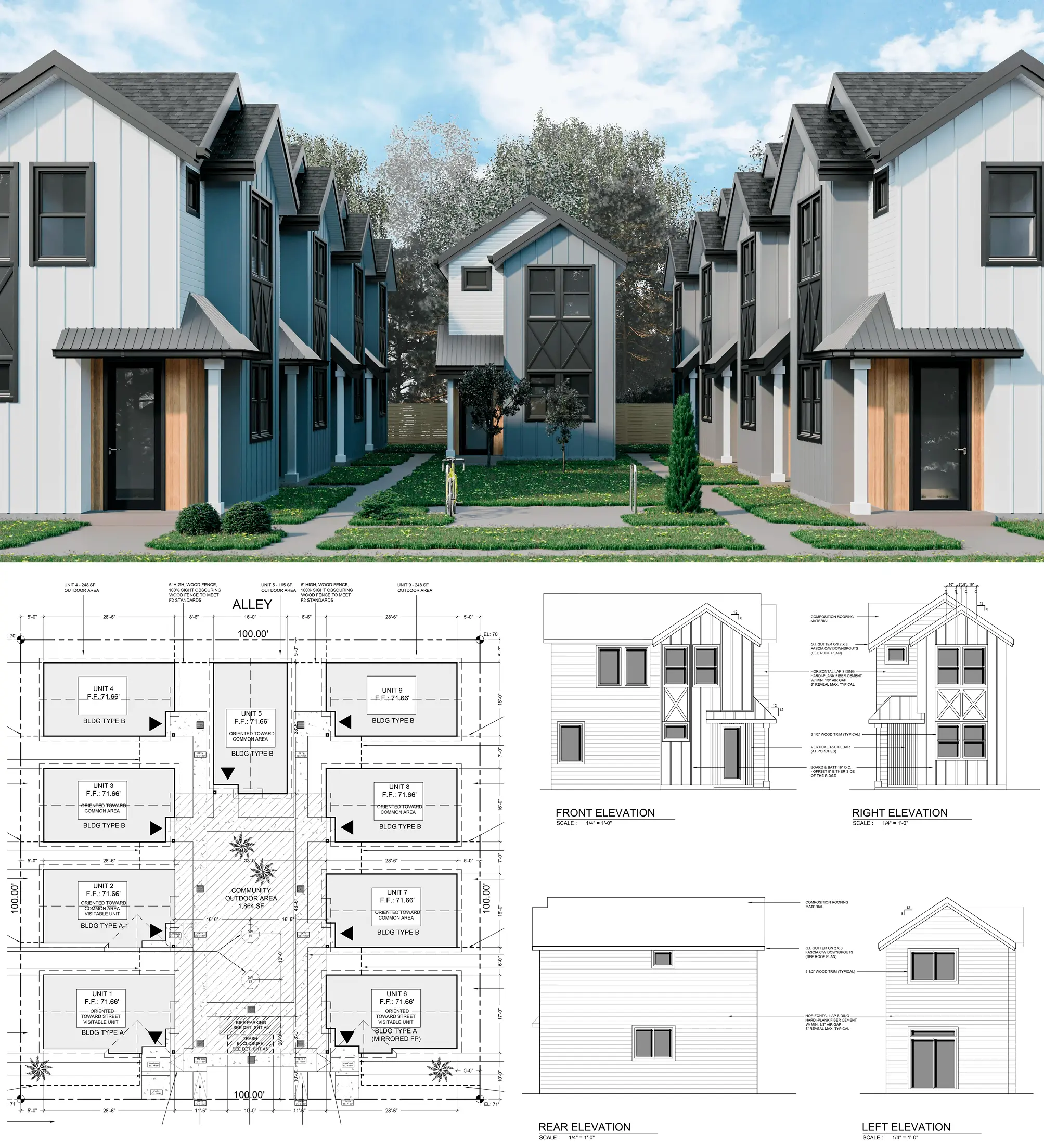
Residential community rendering is the process of creating realistic 3D visuals that show residential developments before construction begins.
These visuals can include exterior architecture, townhouse designs, interior layouts, landscaping, roads, parking areas, shared spaces, and the surrounding environment. They help developers, architects, investors, and buyers understand the full project much more clearly than drawings or descriptions alone.
Residential communities often combine private homes with shared neighborhood spaces. 3D rendering makes it easier to show how individual houses or townhouses fit together within one complete development. It also helps present the overall layout, design style, materials, scale, and atmosphere of the future community.
High-quality residential renders can show façades, finishes, landscaping, lighting, and interiors with realistic detail. This allows developers to review design options early, improve marketing materials, support project approvals, and make sales or investment decisions faster.
The spaces we design have a powerful impact on how people feel. A well-designed environment can inspire, calm, and create a better everyday experience.
In real estate and architectural development, clear visuals are essential. Townhouse rendering helps turn plans and concepts into realistic images that are easy for clients, buyers, and investors to understand.
These visualizations support architects, developers, real estate agents, and homeowners by improving communication and decision-making. Instead of relying only on technical drawings, people can see how the project will look, how the buildings relate to each other, and what kind of atmosphere the development will create.
High-quality townhouse renders help attract attention, build trust, and show the full potential of a project. They are especially useful for property marketing, sales presentations, planning applications, investor meetings, and early-stage design reviews.
Beyond the practical benefits, well-crafted townhouse renderings also create an emotional connection. They make future homes and neighborhoods feel real, welcoming, and desirable before they are built.
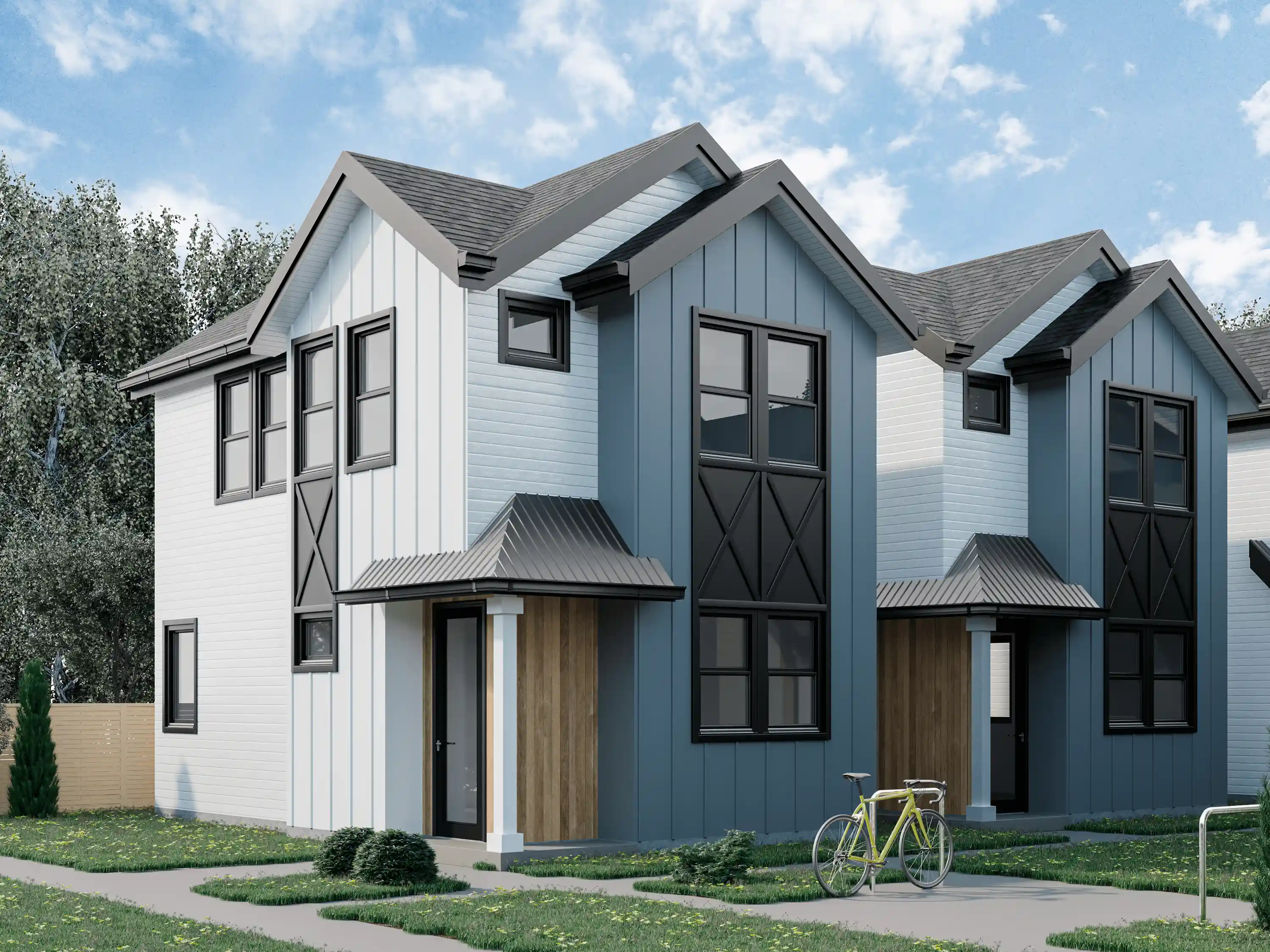
Different types of townhouse renderings serve different goals in real estate marketing and architectural presentation. Each format helps highlight a specific part of the project and communicate its value more clearly.
Exterior renderings
Exterior renders create the first impression of a townhouse development. They show façades, materials, landscaping, entrances, streetscapes, and the relationship between the buildings and their surroundings. This helps buyers, investors, and planning teams understand the architectural style and overall character of the project.
Interior renderings
Interior renders focus on lifestyle, comfort, and atmosphere. They show living rooms, kitchens, bedrooms, bathrooms, and other interior spaces with realistic lighting, furniture, materials, and textures. This helps potential buyers imagine how it would feel to live in the home.
Aerial views
Aerial renderings show the bigger picture. They are especially useful for residential communities because they present multiple townhouses within one shared environment. These views help explain the site layout, roads, green areas, parking, landscaping, and how individual homes work together as one neighborhood.
360° tours and animations
360° tours and animations create a more immersive experience. They allow viewers to explore the project in a more engaging way and better understand the space, scale, and atmosphere. This can be especially useful for marketing, investor presentations, and early sales campaigns.
Together, these visualization types create a strong marketing toolkit. They make townhouse projects easier to understand, more memorable, and more persuasive for different audiences.
The cost of 3D townhouse visualization depends on the size, complexity, and level of detail required for the project.
A simple still image is usually more affordable, while a full set of exterior views, interior renders, aerial images, animations, or virtual tours will require more time and a larger budget. The final price also depends on the level of realism, number of buildings, amount of landscaping, materials, lighting, revisions, and the overall presentation style.
On average, professional townhouse renderings can range from $300 to $2,000 per still image, depending on complexity and quality. Animations may range from $2,000 to $5,000 or more, depending on length, detail, and production requirements. Interactive solutions such as VR tours or 360° experiences usually require a higher budget, but they can also create a stronger marketing impact.
For developers and real estate professionals, 3D rendering is not just a visual expense. It is a practical marketing tool that can support early interest, improve presentations, help with pre-sales, and reduce the need for costly changes later in the project.
Digital townhouse renderings also give teams more flexibility. Design updates can be made before construction begins, marketing materials can be prepared earlier, and potential issues can be identified in advance.
In this way, 3D visualization helps residential projects move forward with more clarity, confidence, and impact.
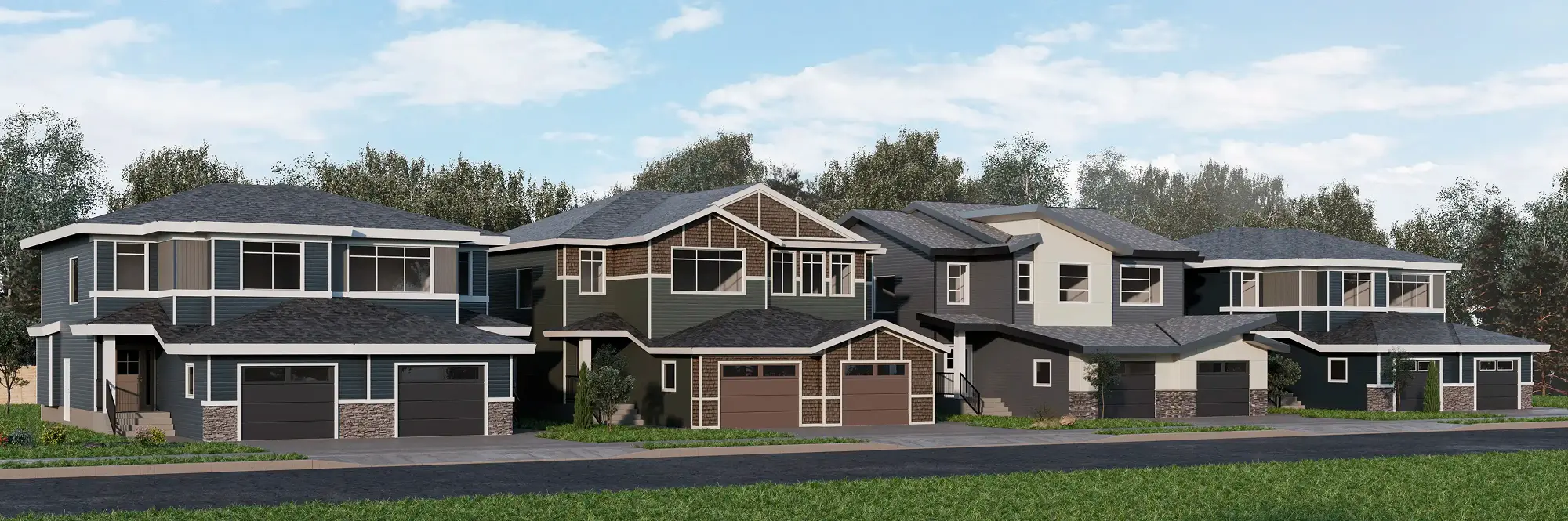
Creating a high-quality townhouse rendering is a structured process that combines technical accuracy with creative presentation. Each stage helps turn architectural plans into realistic visuals that are clear, engaging, and ready for marketing or client presentations.
The process usually includes five main steps.
Every rendering project starts with understanding the client’s goals and the design concept.
At this stage, architects or developers provide floor plans, elevations, CAD files, sketches, mood boards, material references, and any other project information. This helps define the visual direction, key views, atmosphere, and level of detail required.
A clear brief makes the entire process faster, more accurate, and easier to manage.
The next step is creating a precise 3D model of the townhouse or residential development.
The model is built based on architectural drawings and includes the main structure, façades, roofs, windows, doors, balconies, interiors, and surrounding elements. Accuracy is important here, because the model becomes the foundation for all future visuals.
Once the model is ready, materials and textures are added.
This can include brick, wood, stone, glass, concrete, metal, roofing materials, flooring, wall finishes, furniture, and interior details. These elements help show the design style and make the project feel more realistic.
Good material work is what turns a simple 3D model into a believable architectural visualization.
Lighting plays a major role in how the final image feels.
Townhouse renderings can be shown in daylight, evening light, sunset, or with interior lighting. The right lighting setup helps highlight the architecture, create depth, and make the scene feel natural and inviting.
This stage also helps define the mood of the project — bright and modern, warm and residential, premium and elegant, or calm and family-friendly.
After modeling, materials, and lighting are complete, the scene is rendered into high-resolution images.
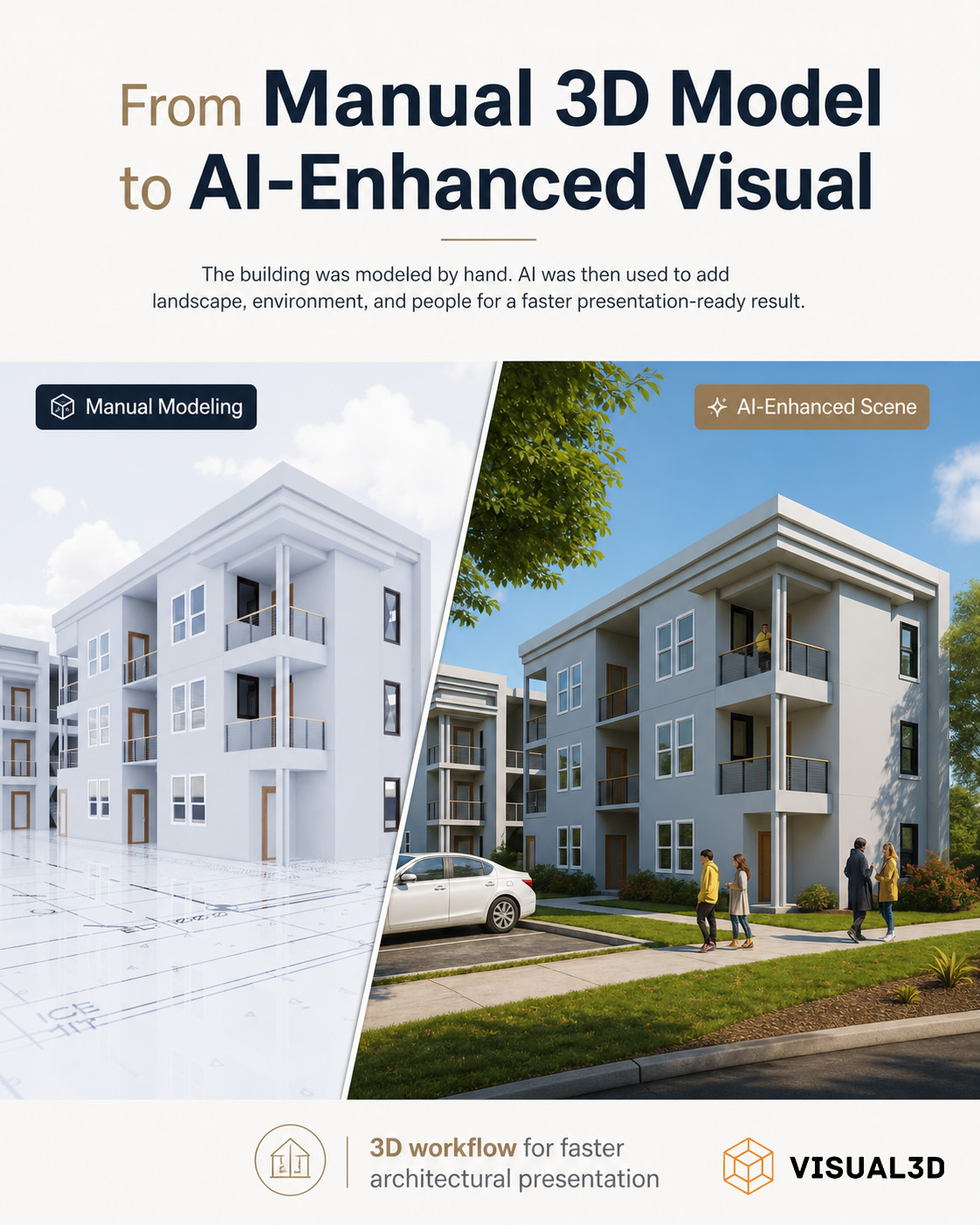
Final enhancements are then added in post-production. This can include greenery, people, cars, sky, landscape details, color correction, contrast, shadows, and small atmospheric improvements.
These final touches make the image feel complete, polished, and ready for marketing, presentations, planning submissions, or sales materials.
Through this process, townhouse renderings turn technical drawings into clear and realistic visual stories.
They help architects present their ideas, developers promote future communities, and buyers understand the project before construction begins. A strong rendering does more than show a building — it helps people imagine the lifestyle, atmosphere, and value of the future home.
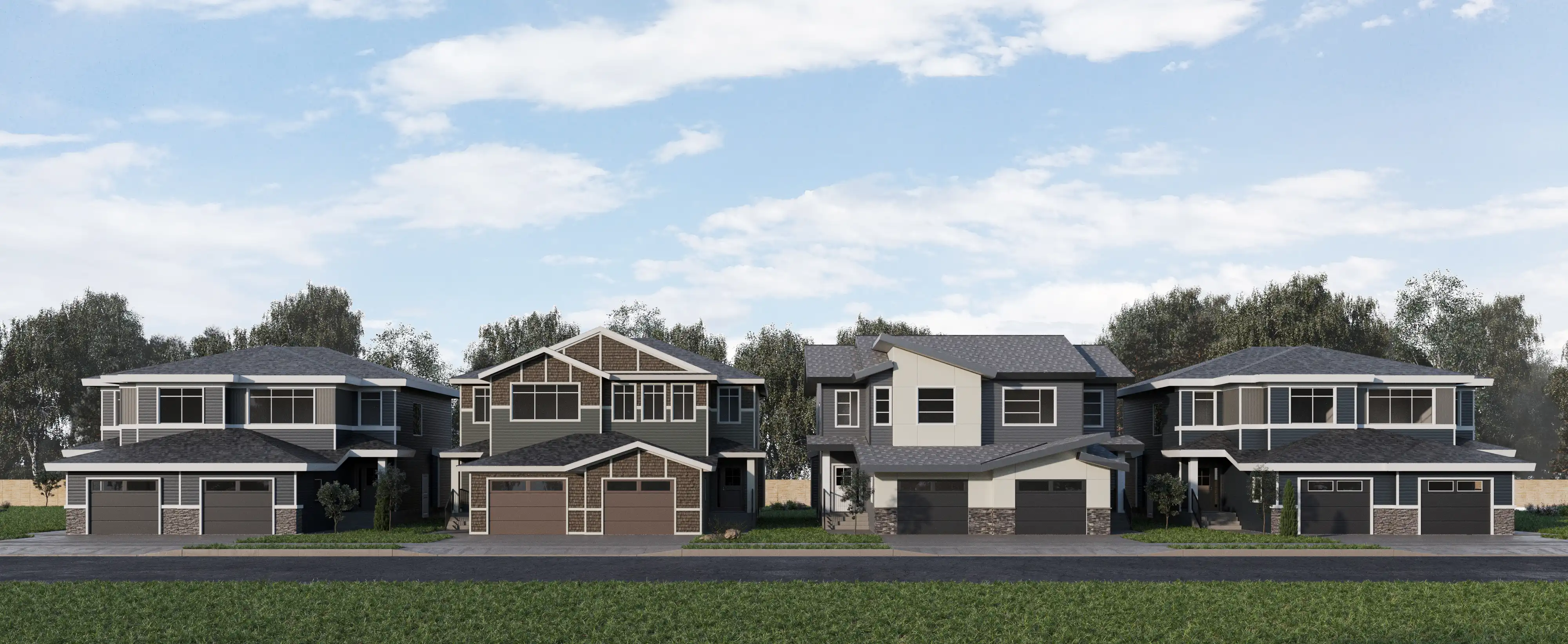
At VISUAL3D, we help developers, architects, and real estate professionals present townhouse projects with clear, realistic, and marketing-ready 3D visuals.
Our team creates photorealistic exterior and interior renderings that combine technical accuracy with strong visual presentation. Every image is carefully developed to show the architecture, materials, layout, landscaping, lighting, and overall atmosphere of the project.
We understand that townhouse renderings need to do more than look good. They need to help buyers understand the property, support investor presentations, improve project approvals, and make marketing materials more effective.
Whether you need one exterior render or a complete visual package for an entire residential community, we can adapt the workflow to your project. Our services can include still images, interior views, aerial renderings, animations, and 360° virtual tours.
Working with VISUAL3D means getting visuals that help your project stand out, communicate value clearly, and move forward with more confidence.
Townhouse rendering has become an important tool for modern real estate marketing and residential development.
It helps developers, architects, and marketers present future homes clearly before construction begins. High-quality 3D visuals can save time, reduce misunderstandings, support approvals, and help buyers connect emotionally with a project at an early stage.
A strong project presentation is no longer just about drawings or descriptions. Realistic townhouse renderings make the development easier to understand, easier to promote, and easier to sell.
By working with an experienced visualization team, you can turn plans and ideas into powerful visuals that support marketing, sales, and confident decision-making.