A strong interior design idea deserves to be seen clearly before any real work begins.
Apartment interiors are often limited by space, natural light, layout, storage, and budget. Even when the design concept is strong, it can be difficult for clients to imagine the final result from floor plans, sketches, material samples, or moodboards alone.
This is where 3D interior rendering becomes a powerful tool.
Interior 3D rendering transforms plans, sketches, and design ideas into realistic images that show how an apartment will look and feel before renovation, construction, or furniture installation starts. Instead of guessing, clients can see the atmosphere, understand the layout, review materials, and make decisions with much more confidence.
At VISUAL3D, we create realistic interior renders that show every important detail — from furniture placement and lighting to materials, finishes, colours, textures, and overall mood. You can see more about our process on our 3D interior rendering services page.
High-quality apartment rendering is not just about making a beautiful image. It is about helping designers, homeowners, architects, developers, and real estate professionals communicate ideas clearly, reduce uncertainty, and move projects forward with fewer mistakes.
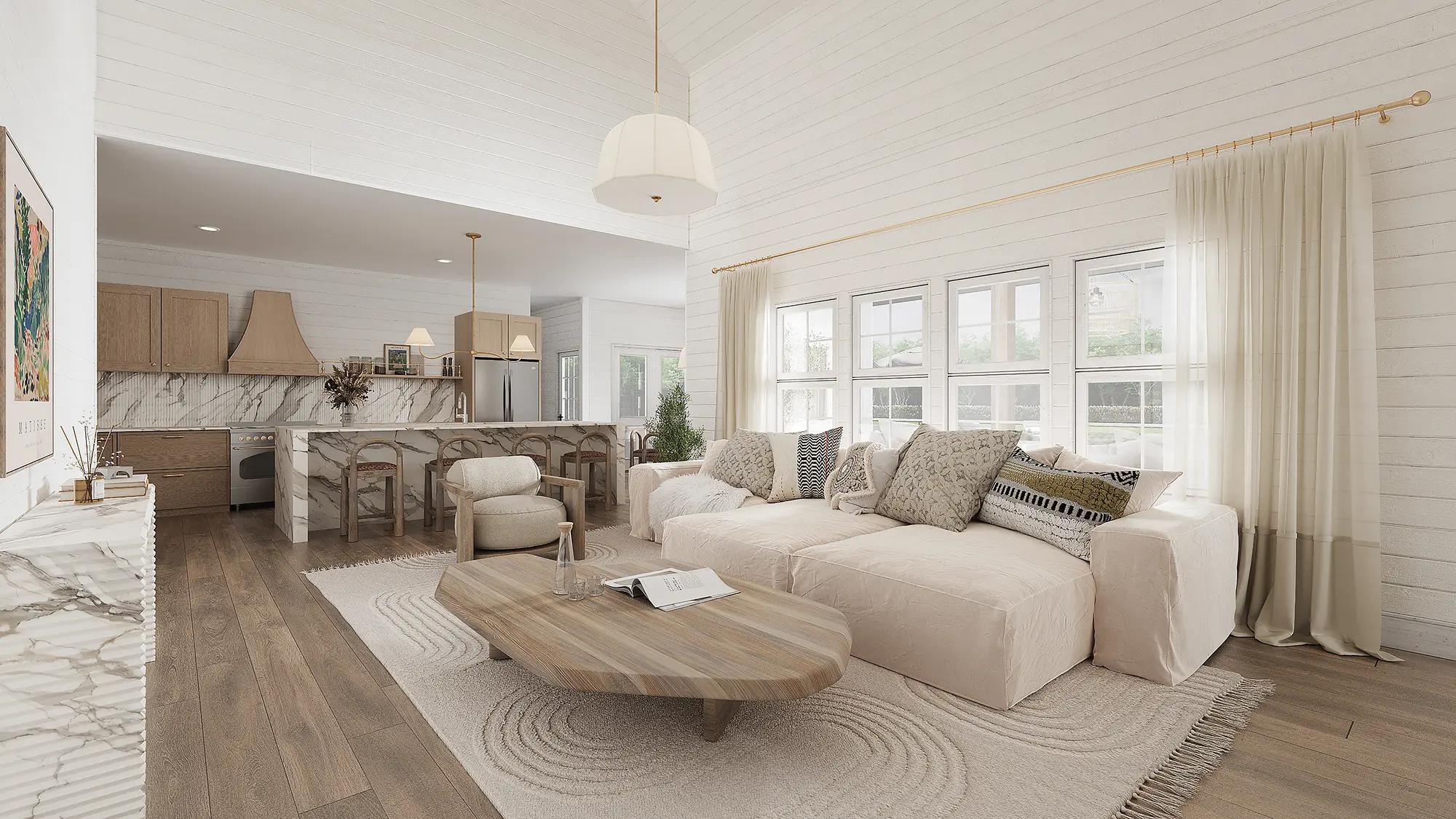
Apartment interior 3D rendering is the process of creating realistic digital images of an apartment interior before the space is completed in real life.
Using 3D modelling and visualization software, a designer or 3D artist can build the interior space based on floor plans, dimensions, reference images, furniture selections, and material direction. The result is a realistic visual representation of the future apartment.
A render can show:
Unlike a simple drawing, a 3D render gives the viewer an emotional and practical understanding of the space. It shows not only where everything is placed, but also how the interior feels.
For apartments, this is especially useful because every decision matters. A sofa that is too large, a dark material in a small room, poor lighting, or an awkward furniture layout can make the space feel uncomfortable. With 3D rendering, these issues can be reviewed before anything is ordered or built.
Photorealistic interior rendering creates a strong sense of presence. It allows clients to see the atmosphere of the space, understand the details, and imagine the final result with confidence.
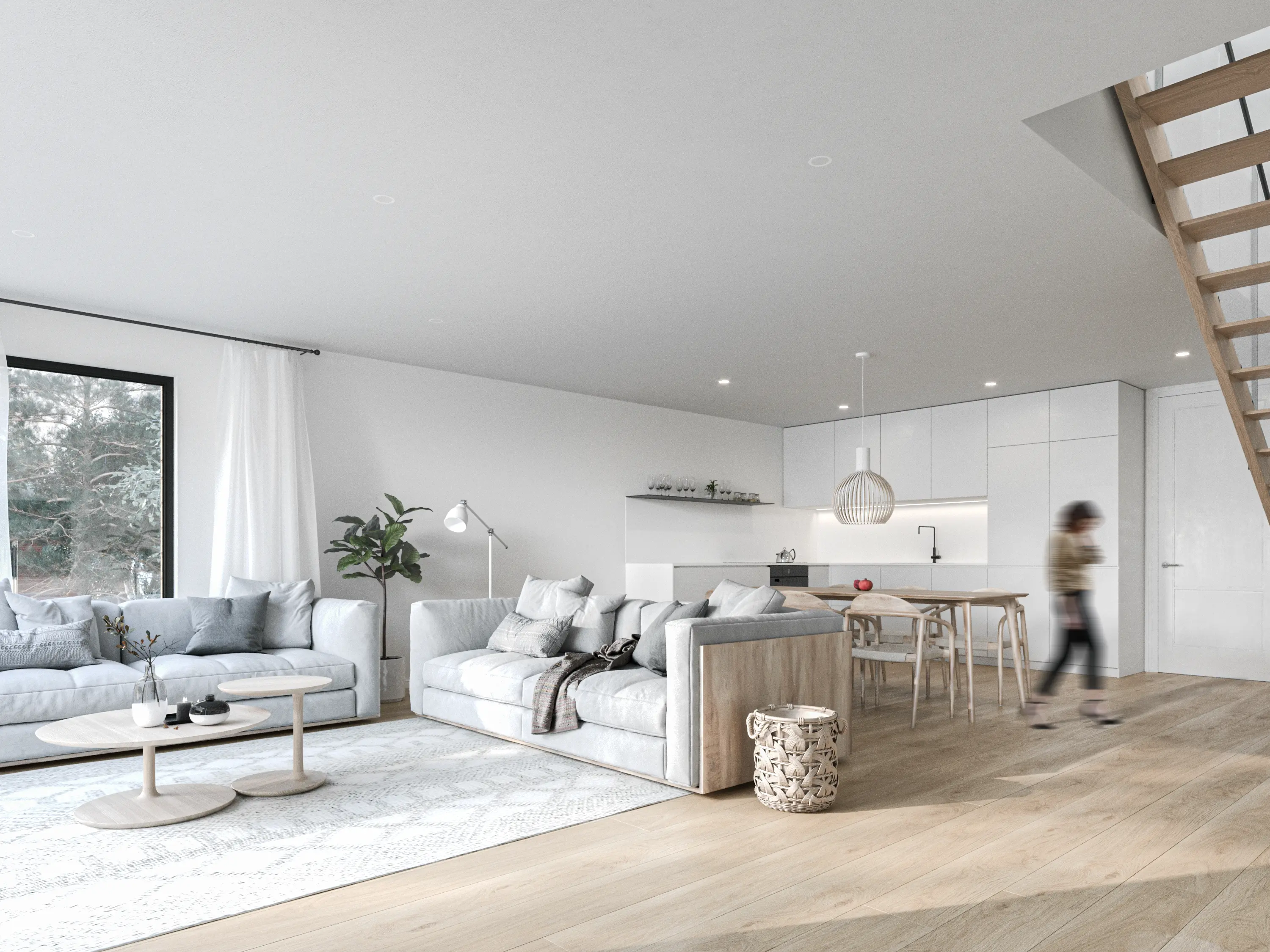
Apartment interiors often need to balance beauty, comfort, and function. The space should look good, but it also has to work for everyday living.
A realistic interior render helps answer important questions early:
Will the room feel too dark?
Does the furniture fit the layout?
Is there enough space to move around?
Do the materials work together?
Does the kitchen connect well with the living room?
Will the final result match the client’s expectations?
These questions are difficult to answer from drawings alone. A floor plan can show dimensions, but it does not show atmosphere. A moodboard can show style, but it does not show how the materials will work inside the actual room.
A 3D render connects everything together.
It allows the client to see the design as one complete visual story — layout, light, furniture, colour, material, and proportion.
This is why interior visualization is often used before renovation, before client approval, before marketing, and before final material decisions.
3D interior rendering is more than a presentation tool. It can improve the entire design process.
Many clients are not used to reading plans, elevations, or technical drawings. Even if the design is good, they may struggle to imagine the final result.
A realistic render removes that confusion. It shows the room in a way that feels familiar and easy to understand.
The client can immediately see the size of the space, the relationship between furniture, the effect of natural light, and the overall design direction.
Changing materials, furniture, lighting, or layout after construction has started can be expensive and stressful.
With 3D rendering, many decisions can be tested in advance. Designers can compare options, identify problems, and make improvements before the project moves into the real-world stage.
This can help reduce mistakes with:
Interior projects involve many small decisions. Sometimes a designer has a clear idea, but the client imagines something different.
A render helps both sides see the same thing.
Instead of long explanations, the designer can show the proposed interior visually. This makes feedback more focused and easier to manage.
For example, instead of saying “I don’t like the feeling,” a client can point to a specific material, colour, light level, or furniture item. This makes revisions more practical.
When a client clearly understands the design, approval becomes easier.
A professional render can help confirm the direction of the project and give clients confidence before they commit to materials, furniture, or construction.
This is especially useful for designers, developers, and property professionals who need to present apartment interiors to buyers, investors, or stakeholders.
High-quality visuals make a project look more complete, polished, and professional.
For real estate, interior design, and property marketing, this can be a major advantage. A strong render can help people connect emotionally with a space before it exists.
This is why 3D visualization is often used not only for design approval, but also for websites, brochures, social media, advertising, and sales presentations.
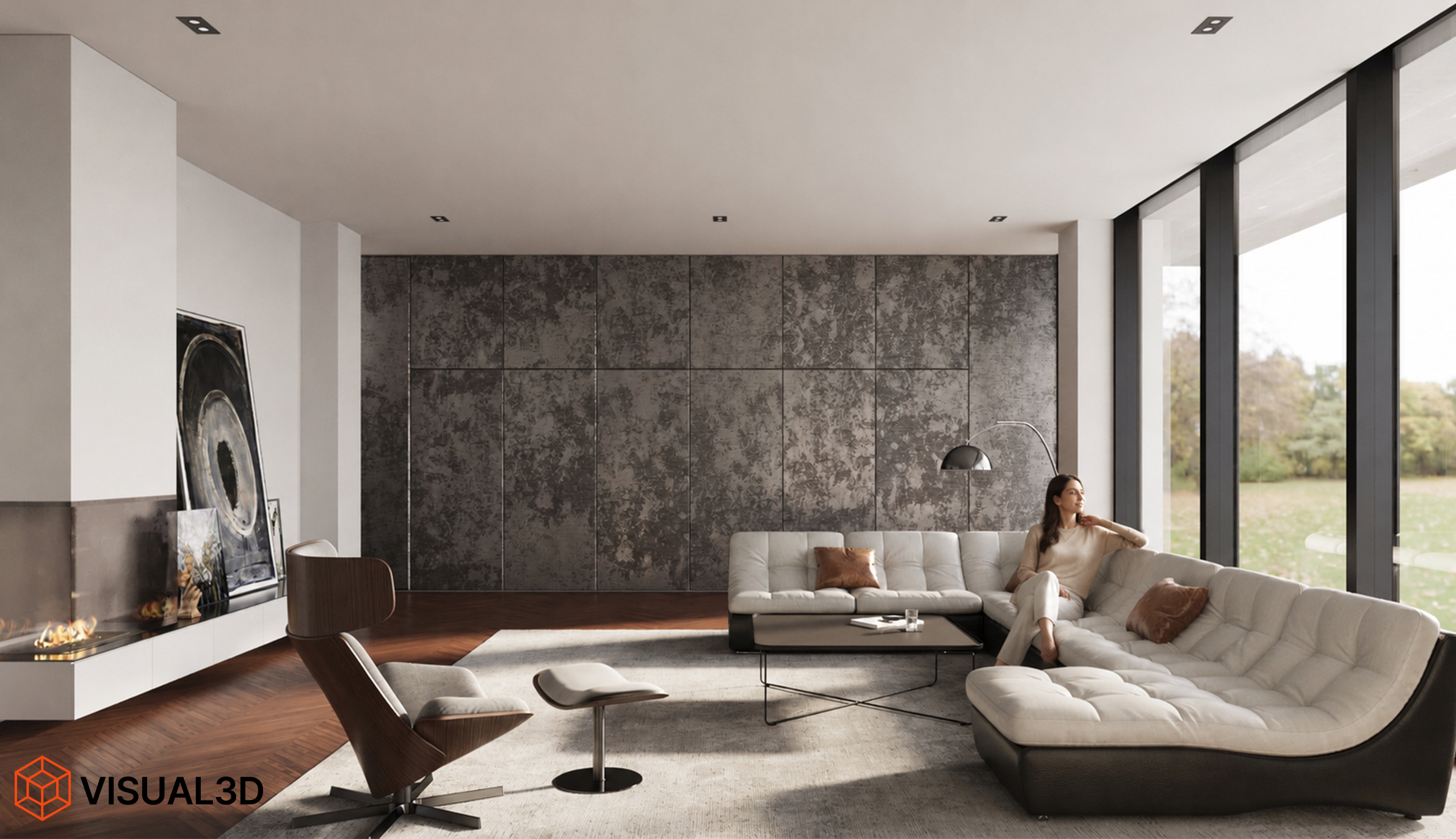
Comfort is not only about furniture. It is created through the relationship between space, light, materials, scale, and atmosphere.
A comfortable apartment interior usually depends on several things working together:
3D rendering helps review all of these elements before the final decision is made.
For example, in an open-plan apartment, the kitchen, dining area, and living room need to feel connected. If the kitchen materials are too heavy, the living area may feel visually disconnected. If the sofa is placed badly, the room may lose flow. If the lighting is too cold, the space may feel less welcoming.
A render makes these things visible.
It allows the designer to test the atmosphere, not just the layout.
You can see this idea in our Modern Residential Interior Visualization project, where the open-plan kitchen and living area are presented with warm materials, soft lighting, and a practical everyday atmosphere.
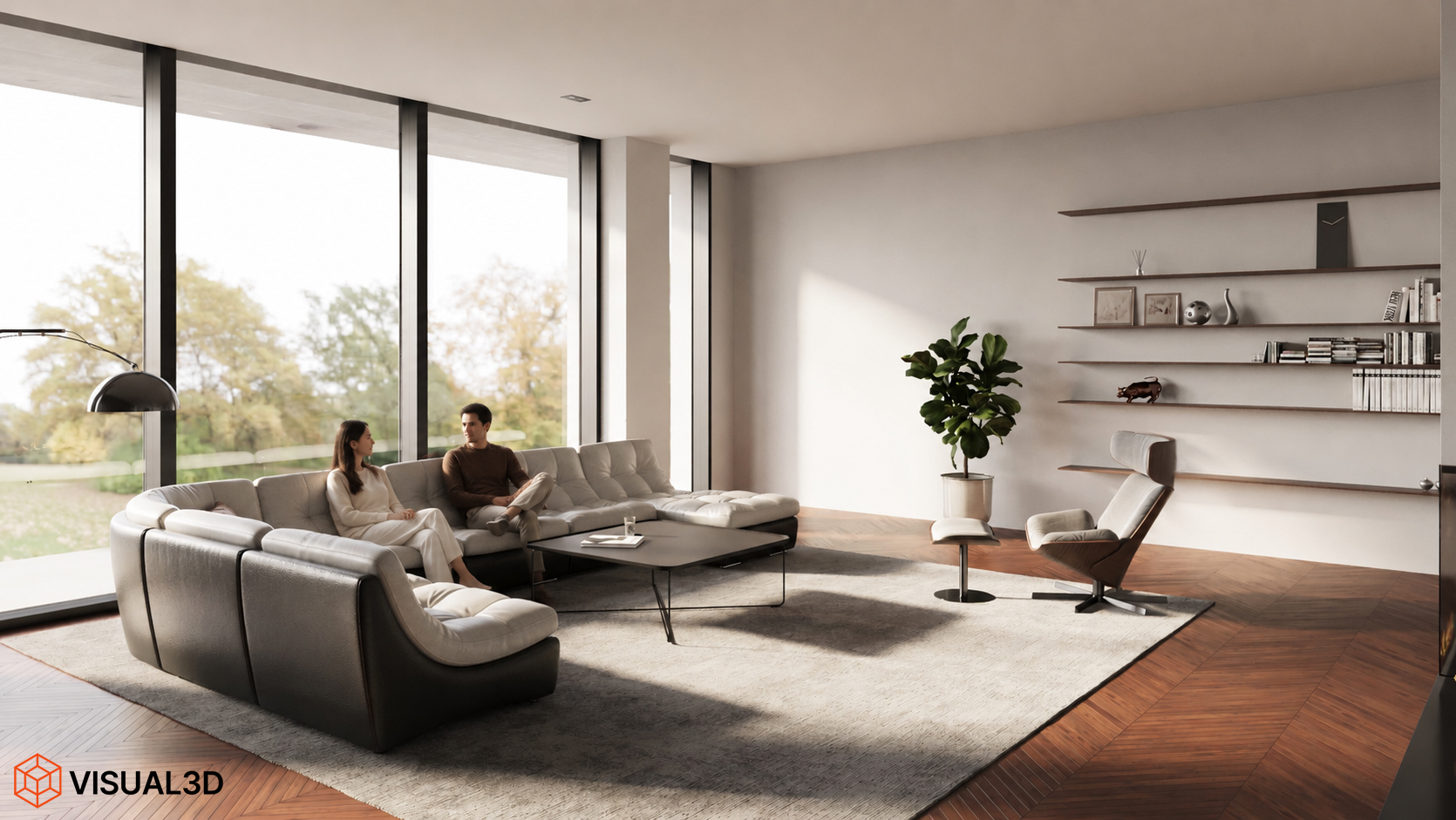
One of the strongest advantages of 3D rendering is the ability to test different layouts before committing to the final design.
This is especially important in apartments, where space is often limited. A few centimetres can make a big difference in how a room feels and functions.
With 3D visualization, it is possible to test:
This helps avoid layouts that look good on paper but feel uncomfortable in real life.
For kitchen-focused projects, visualization is especially useful because the kitchen has to be both beautiful and practical. We explain this in more detail on our kitchen visualization page, where the focus is on seeing layout, materials, and overall look before renovation begins.
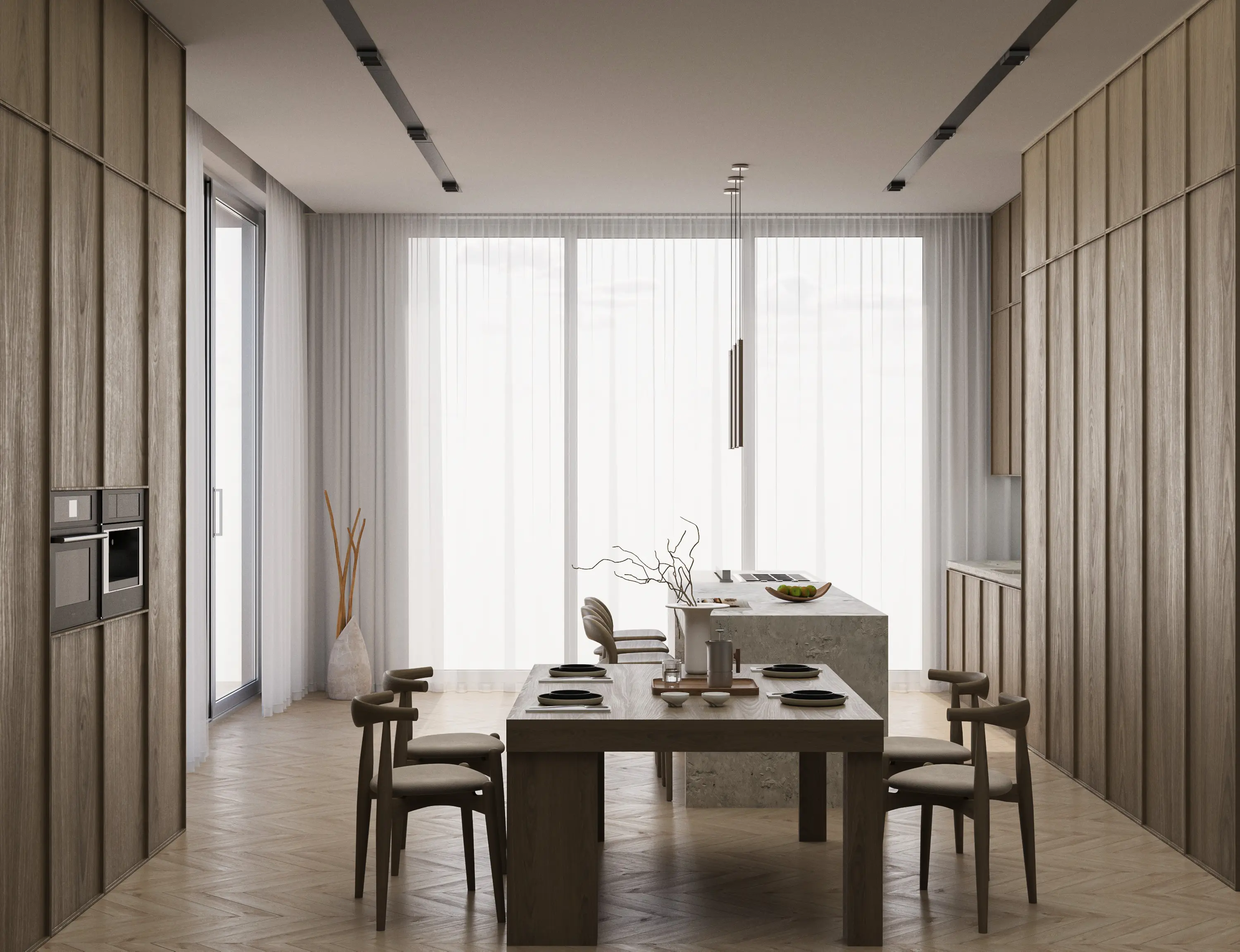
Materials can completely change the feeling of an apartment.
The same room can feel warm, minimal, luxurious, cold, dark, or calm depending on the combination of flooring, cabinetry, wall finishes, fabric, stone, metal, and lighting.
Material samples are useful, but they do not always show how everything will work together inside the actual space.
A 3D render can show:
This makes it easier to choose finishes with confidence.
In interior visualization, material realism is extremely important. A good render should not simply apply textures. It should show how materials behave in light, how they reflect, how they absorb shadows, and how they contribute to the mood of the apartment.
Lighting is one of the most important parts of a comfortable apartment interior.
A space can have a good layout and beautiful materials, but still feel wrong if the lighting is not considered properly.
3D rendering can show how natural and artificial light affect the space. It can help compare different moods, such as:
This is especially important for apartment interiors because windows, room depth, ceiling height, and orientation can strongly affect how the space feels.
A render can help show whether a room needs more warm light, softer shadows, better contrast, or stronger focal points.
For interior designers and architects, 3D rendering is a practical communication tool.
It helps present the design concept in a way that clients can understand quickly. Instead of asking clients to imagine the result from drawings and samples, the designer can show a realistic version of the proposed space.
This can make meetings more productive and feedback more specific.
For example, clients can review:
This helps the designer protect the concept while still allowing the client to feel involved in the process.
It also helps reduce misunderstandings. When the visual direction is clear, there is less risk of the client expecting something different from what the designer intended.
For homeowners, 3D rendering can make the renovation process much less stressful.
Renovating an apartment often involves many decisions at once. Flooring, kitchen finishes, furniture, lighting, paint colours, storage, and decor all need to work together.
Without visualization, it can be difficult to know whether the final result will feel right.
A render gives homeowners a clear preview before they spend money on materials, furniture, or construction work.
It can help them feel more confident about:
This is especially helpful when homeowners are not working with a full interior design team but still want to make smart design decisions.
Apartment rendering is also useful for property marketing.
Developers, real estate agents, and property owners can use interior renders to show the potential of a space before it is finished, furnished, or renovated.
A realistic render can help buyers or tenants emotionally understand the property.
Instead of showing an empty room, a render can present a complete lifestyle image: a warm living room, a modern kitchen, a calm bedroom, or a welcoming open-plan interior.
This can be used for:
A well-made render helps people imagine themselves in the space.
3D rendering is used in many types of apartment and interior projects, including:
It is also useful when a project needs several visual options. For example, a designer may want to show two kitchen colour palettes, compare light and dark flooring, or present different furniture arrangements.
Instead of producing only one final image, 3D rendering can become part of the decision-making process.
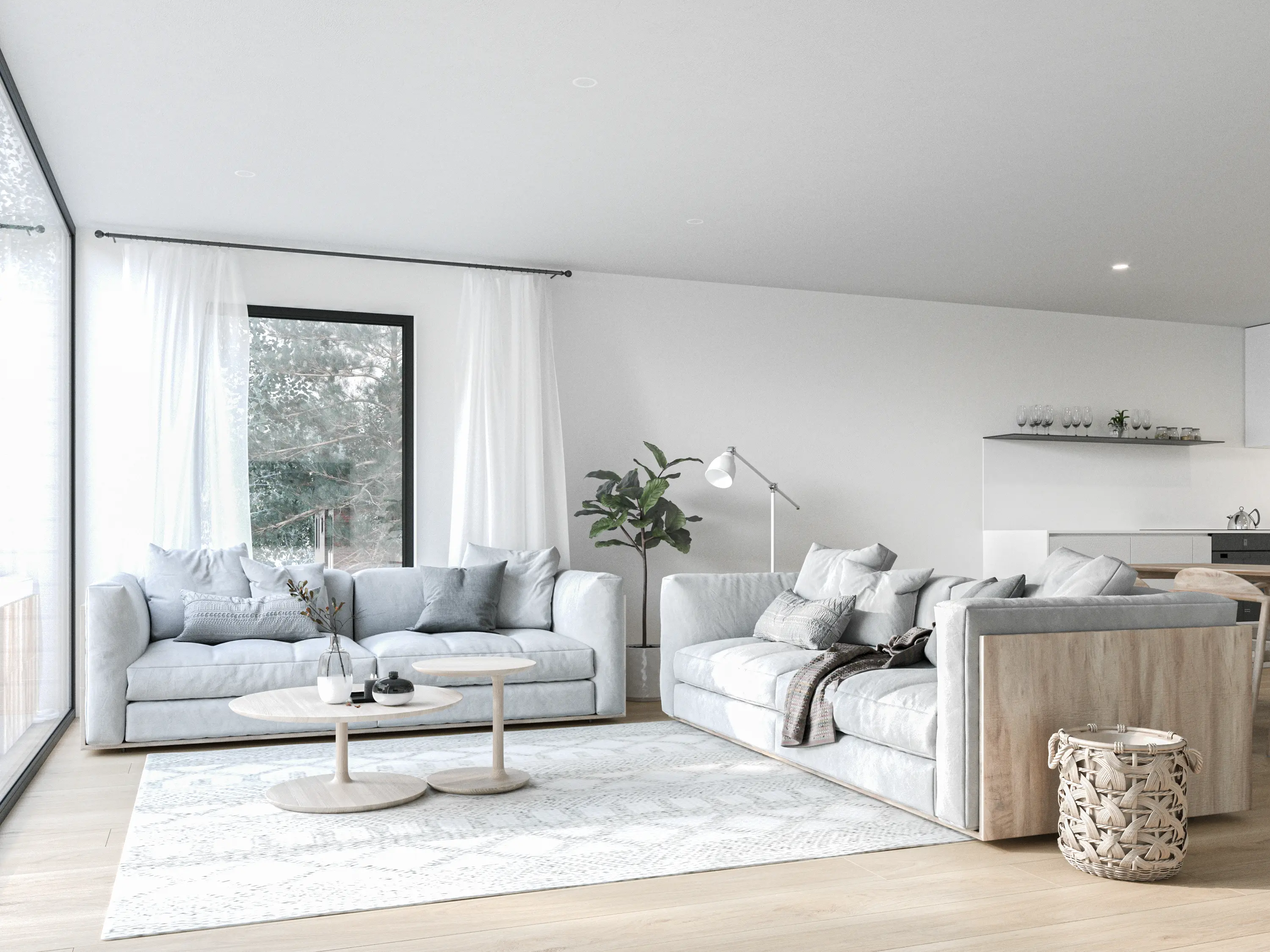
Today, there are many tools that can quickly generate interior images. These can be useful for mood exploration and early ideas.
However, professional 3D rendering is still important when the image needs to represent a real project.
A professional workflow gives more control over:
For real apartment interiors, accuracy matters. A beautiful image is not enough if it does not match the actual layout, dimensions, or design direction.
Professional rendering combines creativity with control. It allows the final image to be both attractive and reliable.
At VISUAL3D, our goal is to create interior visuals that are realistic, clear, and useful for decision-making.
We focus on more than just the final image. We look at the space, layout, lighting, materials, furniture, and atmosphere as one complete composition.
Our process usually includes reviewing the available materials, such as:
Then we build the 3D scene, set up cameras, apply materials, adjust lighting, and create realistic previews for review. After feedback, the visuals are refined and prepared for final presentation.
The result is a set of images that can be used for client approval, marketing, renovation planning, design presentation, or portfolio use.
You can also explore more of our interior work in the interior visualization portfolio, including residential spaces with natural materials, soft lighting, and clean architectural geometry.
3D rendering helps turn apartment interior ideas into clear, realistic, and emotionally engaging visuals.
It allows designers, homeowners, architects, developers, and real estate professionals to understand the space before work begins. It helps test layouts, compare materials, review lighting, avoid mistakes, and present the final design with confidence.
For apartment interiors, where every detail matters, 3D visualization can make the design process clearer, faster, and more reliable.
A good render is not only a beautiful image. It is a practical tool that helps people see the space, understand the design, and make better decisions before renovation or construction begins.
If you are planning an apartment interior, kitchen renovation, or open-plan living space, VISUAL3D can help you present the idea clearly with professional 3D interior rendering.
Contact VISUAL3D to discuss your project.